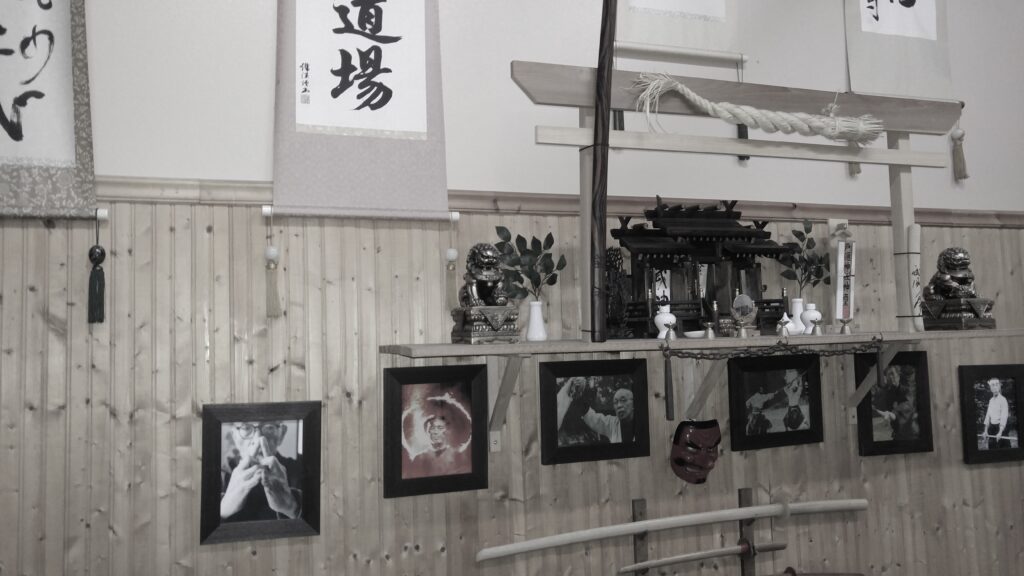
At Maru no Ichi Dōjō, we believe the techniques of the Bujinkan represent some of the most effective methods for real combat. Just as important as the techniques themselves are the training methods, which build practical skill and true adaptability.
From the beginning, students focus on unarmed combat. Unlike many martial arts that rely on repetitive solo kata practiced “in the air,” Bujinkan training emphasizes partner practice. This hands-on approach gives students the real-world experience necessary to understand distance, timing, and energy—key elements in applying techniques under pressure.
The Bujinkan curriculum is broad and complete, encompassing:
- Striking
- Evasion and maneuvering
- Joint locks and grappling
- Throws and takedowns
- Pressure point manipulation
Progression begins slow and controlled, allowing students to learn safely and internalize principles. As skill grows, training becomes more dynamic, increasing in speed and complexity. This gradual method allows even dangerous techniques to be practiced safely, while steadily developing confidence and control.
Weapons Training
Weapons are an essential part of warrior training. In the Bujinkan, they are not treated as optional extras but as an integral part of the system. Studying weapons deepens understanding of distance, timing, and strategy, while also preparing students for the realities of modern self-defense.
Training begins with practical weapons most likely encountered today, then expands into traditional arms. The goal is not only to wield weapons effectively, but also to learn how to improvise with everyday objects—turning a stick, umbrella, belt, or flashlight into a tool for survival.
By understanding how to use a weapon, one also learns how to defend against it. A student who has trained with knives, sticks, or chains is not easily intimidated when facing them, and develops the mindset to remain calm and effective under threat.
Weapons Studied in the Bujinkan
Some of the many weapons taught include:
- Hanbō – 3-foot stick
- Tantō – knives
- Kusarifundō – weighted chain
- Bō – 6-foot staff
- Katana – sword
- Jutte – “sword catcher”
- Shuriken – throwing blades
- Kakushibuki – concealed or secret weapons
- Yari – spear
- Naginata – halberd
- Nagamaki – sword-staff
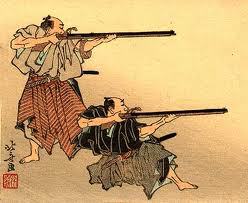
- Teppō – firearms
While some of these may seem like relics of history, each provides valuable lessons that carry over into modern training. For example, Japanese warriors used firearms for centuries before the United States was even a nation, and the tactical principles they developed still hold relevance today.
A Living Warrior Tradition
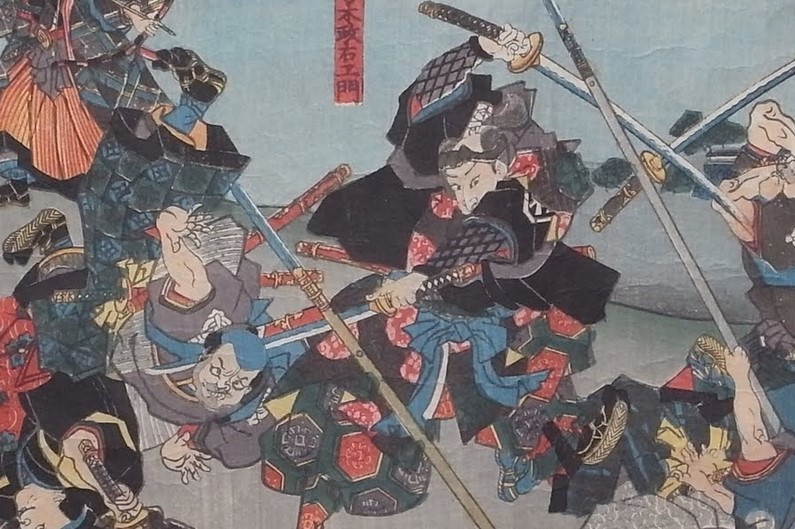
The vast range of skills preserved within the Bujinkan is considered by many practitioners to be a treasure handed down from the warriors of old Japan. At Maru no Ichi Dōjō, we approach this heritage with respect and gratitude, seeking not just to preserve the knowledge, but to make it alive and practical for the modern world.